11 Aug 2026
The Intersection of Athletic Disciplines: Statistical Bridges Between Pitch, Track, and Court for Layered Investment Strategies
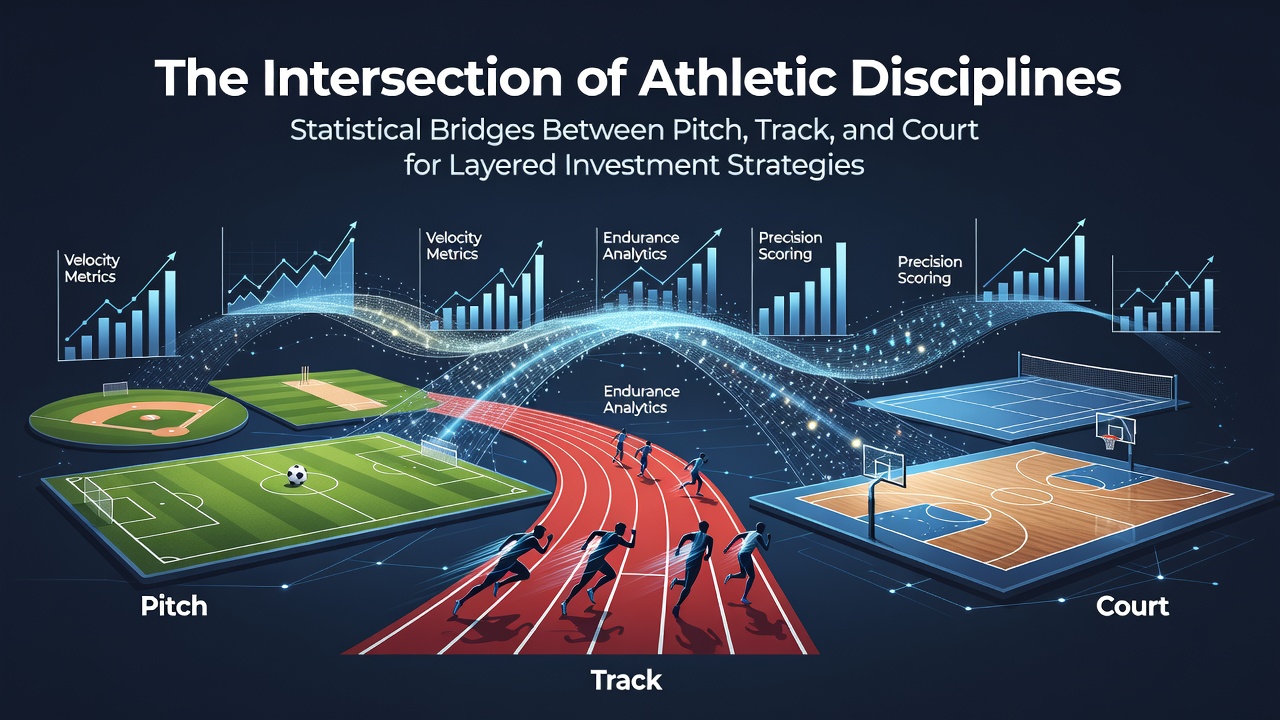
Statistical analysis across football, athletics, and tennis reveals measurable connections in speed, endurance, and decision-making metrics that data teams use to construct layered models for resource allocation in professional sports organizations. Researchers compile datasets from match footage, timing systems, and wearable sensors to identify overlapping performance indicators, and these patterns support multi-variable frameworks that distribute investments across player development programs, scouting networks, and equipment upgrades. Observers note that pitch-based acceleration data from football often aligns with track sprint times in controlled studies, whereas court-based reaction metrics from tennis introduce precision variables that refine overall predictive accuracy when combined in regression equations.
Core Metrics That Span Disciplines
Football players on the pitch generate high volumes of short-burst acceleration data that sports scientists compare directly with 100-meter and 200-meter track results because both activities rely on similar neuromuscular recruitment patterns. Tennis athletes on court produce repeated lateral movement statistics that researchers cross-reference with hurdling and middle-distance track events since each discipline demands rapid directional changes and sustained power output. Data from governing bodies shows that average top-end speed recorded during football counter-attacks falls within ranges documented in elite track competitions, and this overlap allows analysts to normalize values across datasets collected on different surfaces and under varying environmental conditions.
Building Layered Analytical Frameworks
Investment strategies in sports organizations frequently employ hierarchical data structures that assign weights to variables drawn from multiple athletic contexts, and these structures begin with foundational speed and power measurements before incorporating sport-specific accuracy and tactical layers. Analysts apply multivariate regression techniques to link pitch endurance figures with track aerobic capacity scores, while court-based agility tests add a third dimension that adjusts risk calculations in portfolio-style resource models. Studies conducted at institutions such as the Australian Institute of Sport demonstrate that combining these three data streams reduces variance in long-term performance projections compared with single-sport models alone.
August 2026 brought new releases of synchronized tracking data from major European football leagues alongside updated timing records from international athletics championships, and these simultaneous publications enabled analysts to refresh correlation matrices that underpin allocation decisions for youth academy funding and professional roster construction. Organizations use the refreshed datasets to recalibrate investment tiers, placing higher emphasis on athletes whose profiles show balanced contributions across speed, recovery, and decision-speed indicators drawn from all three environments.
Practical Integration in Scouting and Development
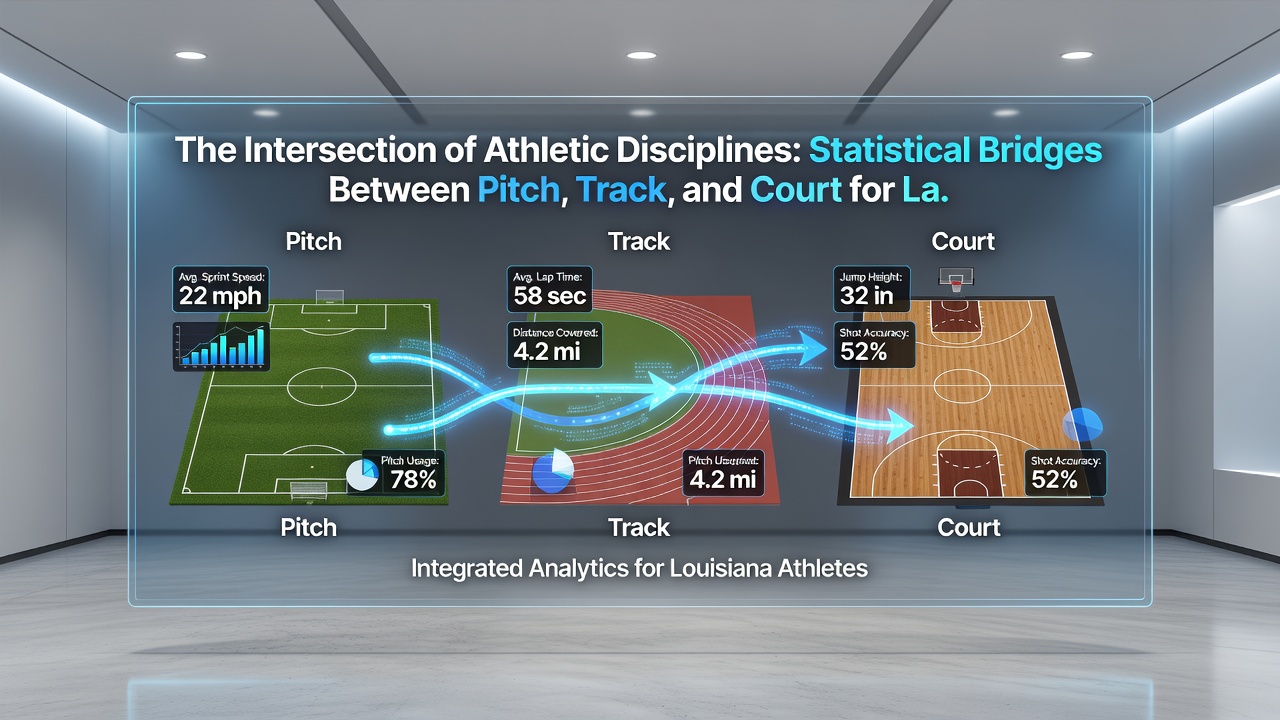
Scouting departments apply standardized testing batteries that include 30-meter sprint trials, repeated sprint ability assessments, and reactive agility drills originally validated across track and court sports, and they map results onto football-specific position requirements. This mapping produces composite scores that inform draft selections and contract negotiations because the underlying statistics carry documented predictive value for in-game output across multiple seasons. European sports science consortia have published protocols that normalize these scores for age and maturation stage, thereby allowing layered investment plans to account for developmental trajectories rather than isolated snapshots.
Coaching staffs further refine training loads by referencing recovery curves established in track and field programs, and they adapt these curves to tennis match schedules and football fixture congestion because the physiological stress markers show consistent patterns across the three disciplines. Wearable technology providers supply raw heart-rate variability and neuromuscular fatigue data that feed into centralized databases, and these databases support algorithmic tools that recommend individualized periodization schemes for athletes competing in hybrid calendars.
Regional Data Sources and Validation
North American collegiate programs contribute large-scale datasets through the NCAA Injury Surveillance System, which records movement patterns that researchers align with European football match logs and Australian tennis performance archives. Validation studies performed at Canadian universities confirm that cross-sport normalization procedures maintain statistical reliability when applied to elite junior populations, and the resulting models support investment decisions at both club and national federation levels. Analysts continue to test additional variables such as decision-making latency under fatigue, which tennis point construction data helps quantify and which football analysts then apply to late-match scenarios.
Conclusion
Statistical bridges between pitch, track, and court disciplines supply the quantitative foundation for layered investment strategies that allocate resources across scouting, training, and performance monitoring systems. Continued expansion of synchronized datasets through 2026 and beyond enables ongoing refinement of these frameworks, and organizations that maintain access to multi-sport repositories gain measurable advantages in projecting athlete development and managing roster costs. The integration process remains iterative, with each new competition cycle adding fresh observations that strengthen the connections between athletic environments.