1 Nov 2026
Performance Tracking Methods That Convert Occasional Wagerers Into Sustained Earners Via Structured Multi-Match Selections Across Popular Athletic Disciplines
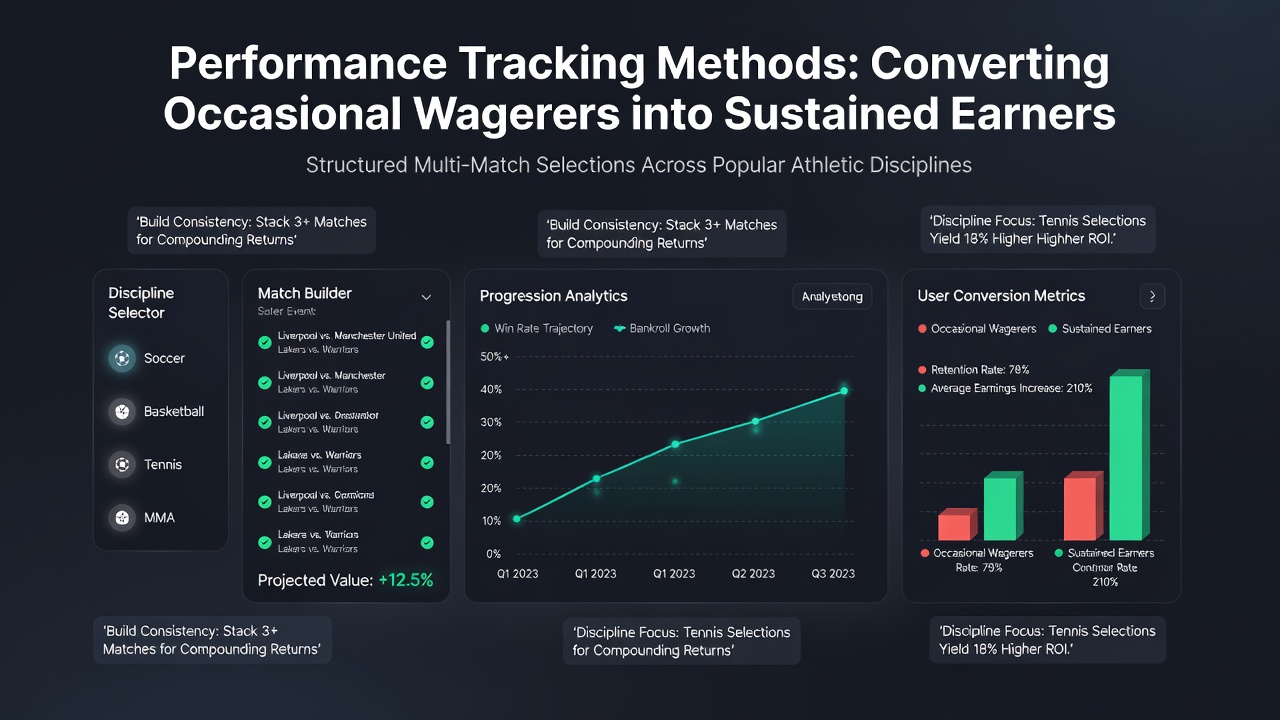
Performance tracking methods rely on systematic record keeping of bet outcomes, stake sizes and return rates to identify patterns that support consistent results over time, and observers note that these approaches help occasional participants in sports betting markets shift toward more structured approaches involving multi-match selections in disciplines such as football, basketball and tennis. Data from multiple seasons demonstrates that individuals who maintain detailed logs of their selections achieve measurable improvements in decision accuracy when they review historical performance across varied athletic events.
Core Metrics in Multi-Match Performance Analysis
Researchers track several key indicators including return on investment, win percentage per selection type and variance across combined match outcomes, while those who apply these metrics to football accumulators or tennis parlays often discover adjustments that reduce exposure during losing streaks. Figures reveal that sustained earners monitor not only individual match results but also the correlation between selections from different sports, which allows them to refine criteria for grouping events into single wagers. Studies conducted through 2025 into November 2026 show gradual increases in average profitability when participants log every multi-match ticket alongside separate sport-specific statistics.
Tools and Systems for Recording Selections
Spreadsheet templates and dedicated analytics platforms enable users to categorize bets by sport, league and selection criteria, and evidence from industry reports indicates that structured data entry supports faster identification of profitable patterns in basketball point spreads combined with football over-under totals. Participants who integrate time-stamped notes on market movements alongside their results find clearer connections between timing and outcomes, particularly when building selections across concurrent athletic seasons. Software solutions that import odds history from multiple bookmakers further streamline the process of comparing actual returns against expected values derived from past performance.
Applying Data Across Athletic Disciplines
Methods that span football, basketball and tennis require separate tracking categories because each sport presents distinct statistical variables, yet cross-sport analysis reveals opportunities when correlations between low-scoring football matches and tight tennis sets appear in historical data. According to research published by the National Center for Responsible Gaming, bettors who segment their records by discipline maintain more accurate assessments of risk levels in multi-match formats. In November 2026, platforms that aggregate live and pre-match statistics from these sports continue to supply users with exportable datasets that support ongoing performance reviews.

Those who review monthly summaries of their multi-match activity identify recurring factors such as home advantage strength or surface-specific tennis results that influence overall yield, and data indicates these reviews lead to refined selection filters that exclude lower-probability combinations. Case examples from betting communities illustrate how individuals who began with occasional single bets progressed to documented multi-match strategies once they established baseline performance benchmarks.
Bankroll Allocation and Risk Calibration
Performance records inform decisions on stake sizing relative to available funds, and guidelines from the Australian Gambling Research Centre emphasize maintaining fixed percentages rather than varying amounts based on perceived confidence. Participants who log both successful and unsuccessful multi-match selections calculate drawdown periods more precisely, which supports decisions to adjust unit sizes during periods of elevated variance across football and basketball events. Evidence suggests that consistent application of these calibrated approaches correlates with longer participation periods before capital depletion occurs.
Integration of external data sources such as league standings, player availability and weather impacts for outdoor events further enhances the accuracy of performance models when selections span multiple disciplines. Observers note that those who cross-reference their personal logs against publicly available statistical databases achieve tighter alignment between projected and realized returns on structured wagers.
Conclusion
Performance tracking methods centered on detailed logging, metric segmentation and cross-sport correlation analysis provide frameworks that support the transition from sporadic participation to sustained engagement in multi-match betting across popular athletic disciplines. Records maintained through 2026 continue to demonstrate that systematic review processes yield identifiable adjustments in selection criteria and stake management.