8 Aug 2026
Elevation Effects on Endurance: Analyzing How Height Variations Influence Results in Distant Football Fixtures, Elevated Tennis Venues, and Highland Horse Events
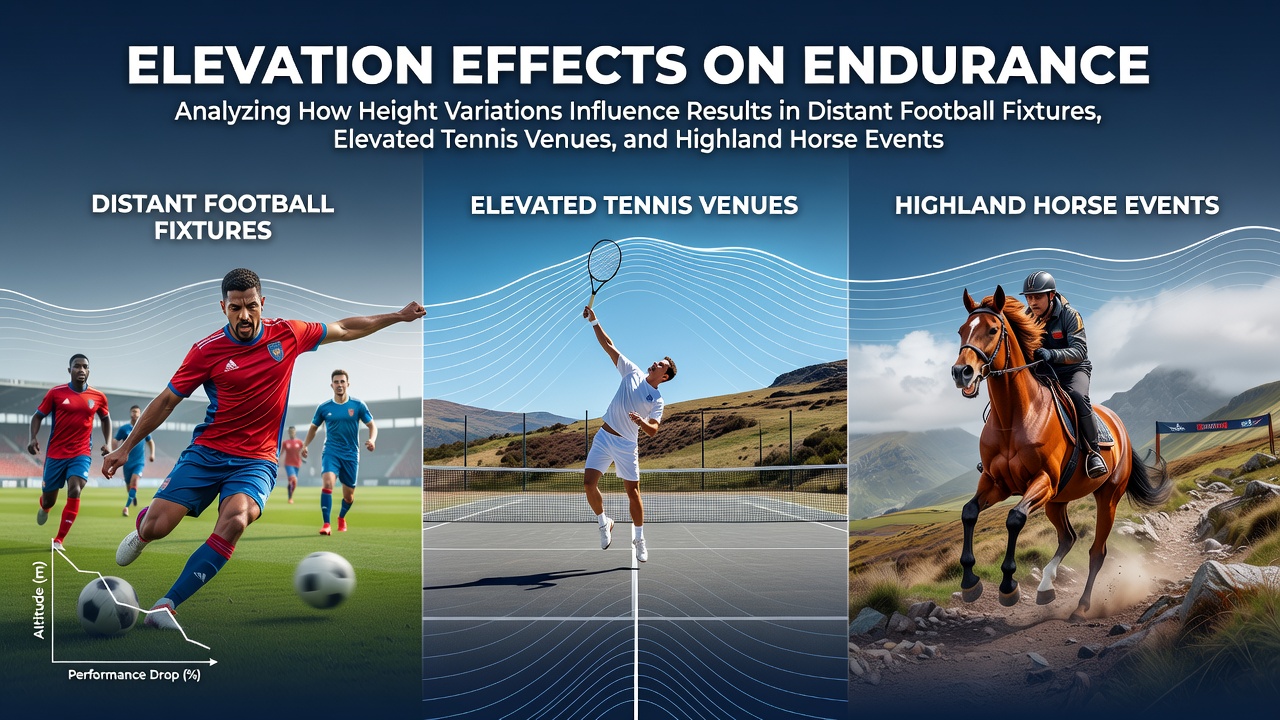
Height variations create measurable shifts in oxygen availability that directly shape endurance outcomes across multiple sports, and researchers have documented these patterns through controlled studies and match data collected over decades. Athletes and animals traveling to elevated locations encounter reduced partial pressure of oxygen, which forces physiological adjustments that often lead to earlier onset of fatigue during prolonged efforts. Data from international competitions indicates that teams or competitors who fail to account for these factors experience performance declines, particularly in events lasting beyond thirty minutes where aerobic capacity becomes the limiting element.
Football fixtures scheduled at distant high-altitude venues illustrate this dynamic clearly. Matches played above 2500 meters, such as those in La Paz or Quito, show visiting sides recording lower distances covered in the second half according to tracking systems deployed by leagues in South America. Studies compiled by sports medicine groups in the United States reveal that players from sea-level clubs exhibit elevated heart rates and reduced sprint frequency when competing at these sites, with recovery intervals between efforts lengthening noticeably. Acclimatization periods of ten to fourteen days mitigate some effects, yet many clubs arrive with shorter preparation windows due to fixture congestion, leaving them exposed during the critical closing stages of games.
Physiological Mechanisms at Play
Reduced oxygen saturation triggers a cascade of responses including increased ventilation rates, elevated erythropoietin production, and shifts in muscle fiber recruitment that researchers have quantified in laboratory simulations. These adjustments consume additional energy, which explains why endurance metrics drop more sharply in away fixtures than in home matches at lower elevations. Observers note that goalkeepers and central defenders, who rely on repeated high-intensity bursts followed by recovery, often display the most pronounced declines because their work-rest cycles become compressed under hypoxic stress.
Patterns in Tennis at Altitude
Elevated tennis venues present a parallel set of challenges where match duration and point length interact with lower air density. Courts situated near 2600 meters, including facilities in Bogota and certain Andean training centers, produce balls that travel farther due to decreased drag, yet player endurance suffers because each rally demands greater oxygen uptake. Performance logs from professional circuits indicate that sets extending past eight games see visiting players commit more unforced errors in the later stages, while local competitors maintain steadier rally tolerance. Data gathered by tennis federations in Canada highlights that players with prior exposure to similar conditions record higher first-serve percentages after the initial thirty minutes of play, underscoring the value of specific altitude preparation.
Highland horse events add another layer to the analysis because equine respiratory systems respond differently to the same environmental stressors. Races conducted at elevations above 2000 meters, common in certain South American and European mountain circuits, show thoroughbreds exhibiting reduced peak velocities in the final furlongs when compared with sea-level performances. Veterinary records compiled by racing authorities in Australia document increased post-race lactate levels and slower return-to-baseline heart rates in horses competing without adequate altitude acclimatization. Trainers who incorporate simulated hypoxic training in the weeks leading up to such events report more consistent finishing times, although logistical constraints limit widespread adoption of these methods.
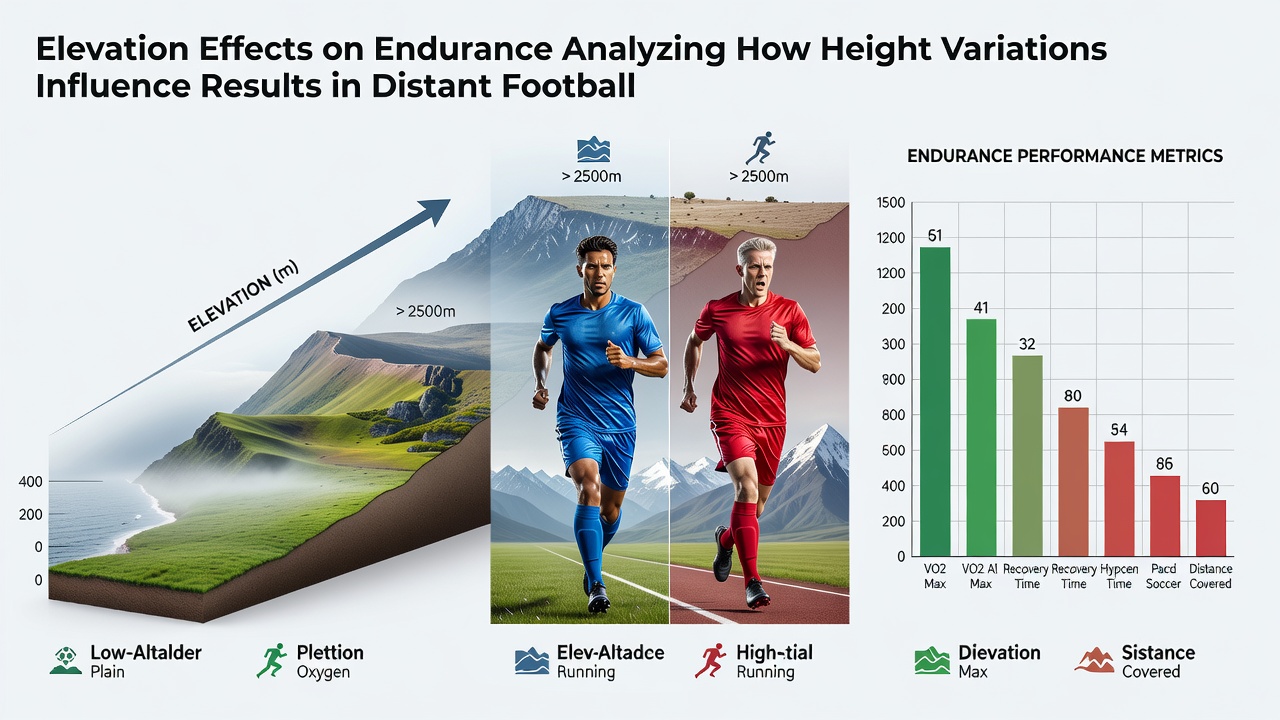
August 2026 schedules include several notable fixtures at altitude, including a South American football qualifier and a tennis exhibition in the Andes region, providing fresh datasets for analysts tracking these variables. Historical comparisons demonstrate that squads with structured altitude camps achieve closer parity in total distance run and possession retention, whereas teams relying on rapid travel alone face steeper drops in output after the sixtieth minute. Similar trends appear in tennis where best-of-five set matches amplify the endurance gap between acclimatized and non-acclimatized competitors.
Cross-Sport Comparisons and Data Trends
Cross-sport comparisons reveal consistent thresholds around 2000 meters where measurable declines begin, with steeper gradients above 3000 meters according to aggregated findings from multiple governing bodies. Football data sets emphasize team-level metrics such as total distance and high-speed running, while tennis studies focus on rally length and error rates, yet both converge on oxygen delivery as the primary constraint. Horse racing metrics center on stride frequency and final section times, creating a unified picture of how elevation compresses aerobic reserves across species and disciplines.
Equipment and rule adaptations occasionally appear in response to these conditions. Tennis organizers at certain venues adjust ball specifications to counteract the flight changes caused by thinner air, while football medical teams deploy portable oxygen systems for rapid recovery between halves. Racing stewards monitor hydration and cooling protocols more closely at highland tracks to offset the compounded effects of altitude and physical exertion. These measures address symptoms rather than root causes, yet they demonstrate how organizers respond to documented performance shifts.
Conclusion
Height variations continue to shape endurance outcomes in football, tennis, and horse racing through well-established physiological pathways that researchers track via competition data and controlled trials. Teams, players, and trainers who integrate altitude-specific preparation show measurable retention of performance metrics, while those who overlook these factors encounter predictable declines in the later phases of competition. Ongoing events scheduled through August 2026 will supply additional evidence that refines current understanding of these environmental influences across the three sports.